
A home should feel safe, comfortable, and reliable in every season. That doesn’t happen by chance. It comes from consistent care, smart planning, and knowing when to bring in the right help. From fire protection to heating and cooling, each system plays a role in how your home functions day to day.
Many issues that disrupt comfort or safety start small. A missed inspection, a delayed repair, or an overlooked system can quickly lead to bigger problems. The good news is that most of these situations are preventable with the right approach.
There are many practical ways homeowners can stay ahead of problems, protect their property, and create a more stable living environment year-round. This includes staying consistent with routine maintenance, paying attention to early warning signs, and taking action before small issues turn into larger repairs. By being proactive, homeowners can reduce unexpected costs, improve efficiency, and maintain a safer, more comfortable home for everyone. Over time, these habits build a stronger foundation, making it easier to manage seasonal changes and keep everything running smoothly.
Install and Maintain Reliable Fire Protection Systems
A fire alarm system is one of the most important safety features in any home. It provides early warning, giving you and your family time to respond in an emergency. But like any system, it only works if it’s properly maintained.
Start with the basics:
- Test alarms monthly
- Replace batteries at least once a year
- Check for dust or debris that may interfere with sensors
Placement matters as well. Alarms should be installed in bedrooms, hallways, and common areas to ensure full coverage.
For homeowners who want added peace of mind, working with a local fire alarm company can make a big difference. Professionals can evaluate your setup, recommend upgrades, and ensure everything meets current safety standards.
Older systems may not provide the same level of protection as newer models. If your system hasn’t been updated in several years, it may be time to consider improvements.
Coordinate Property Needs With Professional Oversight
Managing a home involves more than just routine cleaning and upkeep. It requires coordination between different systems, service providers, and maintenance schedules.
This is where local property managers can be helpful, especially for multi-property owners or those with rental homes. They help keep everything organized, ensuring inspections, repairs, and services happen on time.
Benefits of professional oversight include:
- Better scheduling of maintenance and repairs
- Improved communication between contractors
- Reduced risk of missed or delayed services
Even for homeowners who manage their own properties, adopting a structured approach can lead to better results. Keeping records, setting reminders, and planning ahead all contribute to a smoother experience. It also makes it easier to track what’s been done and what still needs attention, reducing the chance of overlooking important maintenance tasks.
Having a clear system in place allows homeowners to respond more quickly when issues arise, rather than scrambling to find information or schedule services at the last minute. Over time, this level of organization can save time and money while helping ensure the home remains safe, comfortable, and well-maintained.
Prevent Frozen Pipes and Winter Damage
Cold weather can cause serious damage if systems aren’t properly prepared. One of the biggest risks during winter is frozen pipes, which can lead to leaks or flooding when temperatures rise.
Local heat tracing services provide a solution by helping maintain consistent temperatures along pipes. This reduces the risk of freezing and keeps water flowing even in extreme conditions.
Homeowners can also take preventative steps:
- Insulate exposed pipes
- Seal gaps where cold air can enter
- Keep a steady indoor temperature
It’s important to identify vulnerable areas early. Basements, crawl spaces, and exterior walls are common trouble spots, especially in homes with limited insulation or older construction. Areas near windows, doors, and plumbing lines should also be checked, as they can allow cold air to enter and increase the risk of freezing. Paying attention to drafts, moisture buildup, or sudden temperature changes can help pinpoint where extra protection is needed.
Taking action before temperatures drop can prevent costly repairs and protect your home from long-term damage. Simple steps like sealing gaps, adding insulation, and monitoring indoor temperatures can make a noticeable difference. Preparing early not only reduces the risk of burst pipes and water damage but also helps maintain a more consistent and comfortable environment throughout the colder months.
Keep Heating Systems Running Efficiently
Reliable heating is essential for comfort during colder months. Without proper care, systems can become less efficient, leading to higher energy bills and uneven temperatures. Over time, even minor issues such as clogged filters or worn components can reduce performance and put additional strain on the system.
Working with providers who offer local heating services ensures your system is regularly inspected and maintained. Routine checks can catch issues before they affect performance, helping prevent unexpected breakdowns during the coldest times of the year. These inspections also allow for adjustments that improve efficiency, extend equipment lifespan, and keep your home consistently warm without unnecessary energy waste.
To keep heating systems running efficiently:
- Replace air filters regularly
- Check for blocked vents or airflow issues
- Schedule seasonal inspections
Proper maintenance helps extend the life of your heating system and keeps your home consistently warm. It also reduces unnecessary strain on components, allowing the system to run more smoothly and avoid premature wear. When parts are cleaned, inspected, and adjusted regularly, the system doesn’t have to work as hard to maintain the desired temperature.
Even small adjustments can improve efficiency, making your system more reliable and cost-effective over time. Simple actions like sealing air leaks, adjusting thermostat settings, and ensuring proper airflow can lead to noticeable improvements. Over time, these efforts not only lower energy bills but also create a more balanced and comfortable indoor environment, especially during periods of heavy use.
Address Repairs Before They Become Emergencies
Every system shows signs of wear over time. The key is recognizing those signs early and taking action before problems escalate.
Heating repair becomes necessary when you notice:
- Strange noises or vibrations
- Inconsistent temperatures
- Higher energy costs without increased usage
Ignoring these signs can lead to system failure, often at the worst possible time.
Routine attention helps prevent emergencies. Addressing small issues early reduces stress and avoids costly repairs. It also ensures that your home remains comfortable and functional without unexpected interruptions.
Prepare Cooling Systems for Warm Weather
As temperatures rise, cooling systems become just as important as heating. Preparing early helps avoid breakdowns during peak usage.
Scheduling air conditioning services before summer begins ensures your system is ready when you need it most. Technicians can inspect components, clean systems, and identify potential issues.
Homeowners should also watch for signs that local AC repair may be needed, such as:
- Weak airflow
- Warm air coming from vents
- Unusual noises during operation
Keeping systems clean and well-maintained improves performance and reduces energy use. Regular cleaning of filters, coils, and vents helps prevent allergens and dust from circulating throughout your home, supporting better air quality. Scheduling routine professional inspections can help catch small problems before they become costly repairs or cause inconvenient breakdowns during heat waves. Proactive maintenance not only extends the lifespan of your cooling equipment but also ensures it operates at peak efficiency, keeping your energy bills in check.
A little preparation goes a long way in keeping your home cool and comfortable during warmer months. This can include installing programmable thermostats, closing blinds or curtains during the hottest part of the day to reduce heat gain, and ensuring your home is properly insulated to maintain a consistent indoor temperature. Small, consistent efforts add up to a noticeable difference in comfort and savings over time.
Design Systems That Support Long-Term Comfort
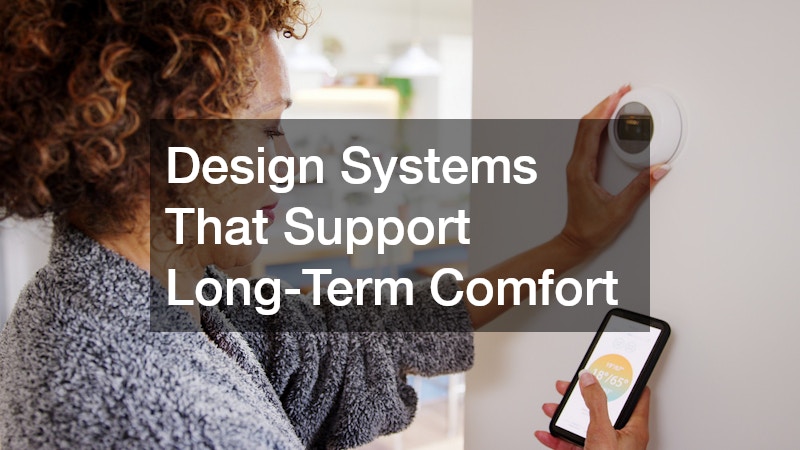
A well-designed system makes a noticeable difference in how a home feels. It’s not just about having heating or cooling—it’s about having the right setup for your space.
Heating system design services focus on creating solutions that match your home’s size, layout, and usage patterns. This ensures efficient operation and consistent comfort.
Important factors to consider include:
- Proper system sizing
- Energy efficiency
- Compatibility with existing systems
Planning ahead can prevent common issues like uneven temperatures or overworked equipment. Anticipating changes in household size, usage patterns, or lifestyle can also ensure your heating and cooling systems remain effective over time. This forward-thinking approach allows for upgrades or modifications before problems arise, minimizing disruption and maximizing efficiency. Collaborating with experienced professionals not only guarantees proper system design and installation but also offers access to expert advice on emerging technologies and energy-saving solutions. Working with experienced professionals helps create a system that meets both current and future needs, making your home more adaptable, comfortable, and cost-effective for years to come.
Build a Year-Round Maintenance Plan
Consistency is the foundation of a well-maintained home. A year-round maintenance plan helps ensure that nothing is overlooked. It creates a clear structure for when tasks should be completed, making it easier to stay on track and avoid last-minute issues. Instead of reacting to problems as they arise, homeowners can take a more proactive approach that keeps systems running smoothly.
Having a plan also reduces the mental load of remembering what needs to be done and when. By breaking maintenance into manageable steps throughout the year, tasks feel less overwhelming and more routine. Over time, this consistency helps prevent costly repairs, improves efficiency, and keeps the home safer and more comfortable in every season.
Breaking tasks into seasonal categories makes them easier to manage:
- Spring: Inspect cooling systems and clean outdoor units
- Summer: Monitor performance and airflow
- Fall: Prepare heating systems and check insulation
- Winter: Protect pipes and monitor indoor conditions
Keeping track of services and inspections helps maintain organization and prevents missed appointments.
Additionally, documenting the details of each service—such as the date, provider, and work performed—creates a valuable maintenance history for your home. This record makes it easier to spot recurring issues, share information with service professionals, and plan future upgrades or replacements. Setting reminders for seasonal tasks, warranty expirations, and recommended service intervals can further help homeowners stay proactive rather than reactive.
Simple tools like calendars or apps can make this process more efficient, and some service providers even offer digital portals to streamline scheduling and communication.
A structured plan reduces stress and keeps your home running smoothly year-round, ultimately protecting your investment and contributing to long-term comfort and safety.
Improve Overall Home Comfort and Safety
Comfort and safety go hand in hand. A home that feels stable and well-maintained is easier to live in and less likely to develop problems. When systems are working as they should, daily life becomes more predictable, and there’s less stress around unexpected issues.
Regular inspections can help identify small issues before they grow. This includes checking systems, looking for signs of wear, and addressing concerns early. It also gives homeowners a better understanding of how their home functions, making it easier to notice changes over time.
Staying consistent with these checks helps prevent disruptions and keeps everything running smoothly. Over time, this approach not only protects the home but also creates a more comfortable and secure environment for everyone living in it.
Improving comfort also involves:
- Maintaining proper air quality
- Managing humidity levels
- Ensuring consistent temperature control
These factors contribute to a healthier and more enjoyable living environment. When air quality, temperature, and system performance work together, the home becomes a place that feels consistent and easy to manage, rather than unpredictable or stressful.
Taking a proactive approach allows homeowners to stay in control and avoid unnecessary disruptions. It creates a sense of confidence, knowing that potential issues are being addressed before they become larger problems. This mindset also makes it easier to plan ahead, budget for maintenance, and avoid emergency situations that can interrupt daily life.
Keeping a home safe and comfortable requires attention, planning, and consistency. By staying proactive and addressing issues early, homeowners can avoid costly repairs and maintain a stable living environment. Over time, this approach builds reliability into the home itself, reducing the likelihood of sudden breakdowns or unexpected failures.
Each system plays a role, and when they work together properly, the result is a home that feels reliable in every season. Heating, cooling, safety systems, and structural elements all contribute to how the home performs as a whole. With the right habits in place, comfort and safety become something you can count on every day, creating a space that supports both peace of mind and long-term value.