Maintaining a safe and healthy home requires more than reacting to problems as they arise. Every home system—from plumbing to roofing, heating, and ventilation—can affect the well-being of its occupants. Small issues, when left unaddressed, can quickly escalate into significant hazards, including water damage, mold growth, pest infestations, or even fire risks. Even minor problems, like a slow leak or a small roof shingle gap, can compromise indoor air quality, create structural weaknesses, or attract pests over time.
Proactive home maintenance helps prevent these problems, reduces repair costs, and improves long-term efficiency and safety. A structured approach allows homeowners to prioritize critical systems, schedule inspections, and coordinate repairs in a way that minimizes disruptions and maximizes effectiveness.
Additionally, planned maintenance builds confidence for homeowners. Knowing that potential hazards are being addressed before they become emergencies reduces stress and allows for a more comfortable living environment. Preventive maintenance not only preserves physical property but also protects the health of residents by mitigating risks such as contaminated water, poor air quality, and structural vulnerabilities.
Beyond immediate safety, thoughtful maintenance also improves energy efficiency, reduces utility costs, and can increase property value. Homes that are well-cared for are less likely to experience unexpected system failures, which translates to a safer and more reliable living space. Taking a proactive approach allows homeowners to detect issues early, implement cost-effective solutions, and maintain peace of mind knowing that their home remains a secure, healthy environment.
This guide provides actionable strategies for preventing health and safety hazards through thoughtful home maintenance. It covers plumbing, water heaters, mold prevention, pest management, fire safety, sewer systems, fences, and other critical elements, empowering homeowners to protect their property and their families over the long term.
Inspect and Maintain Plumbing Systems Early
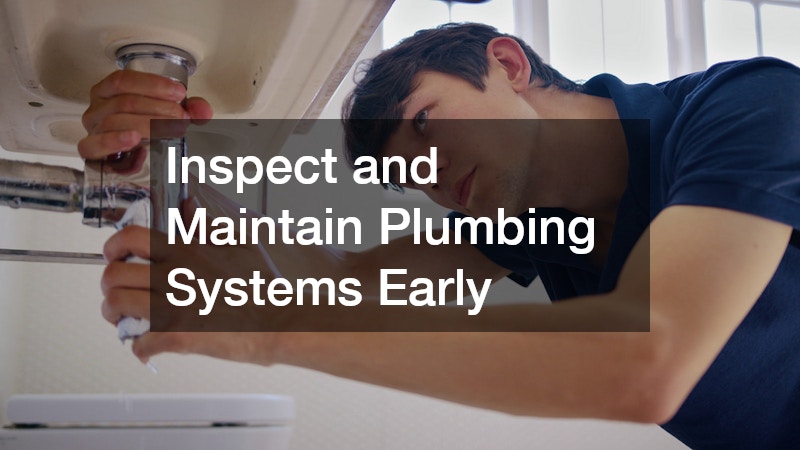
Plumbing systems are often overlooked until a visible leak or clog appears. Proactive inspection and maintenance can prevent water damage, structural issues, and costly emergency calls.
Homeowners should focus on:
- Pipe integrity: Look for signs of corrosion, cracks, or leaks in exposed pipes.
- Fixtures and valves: Ensure faucets, toilets, and shut-off valves function correctly.
- Water pressure: Sudden drops or spikes can indicate hidden problems.
- Routine maintenance: Schedule inspections with professional plumbing services to identify and repair minor issues before they escalate.
In addition, homeowners should regularly monitor water quality for discoloration or unusual odors, as these can signal plumbing deterioration or contamination. Inspecting under sinks and around water heaters can reveal small leaks that, if ignored, could lead to major water damage over time. Seasonal checks, particularly before winter or rainy seasons, ensure that outdoor plumbing systems like hose bibs, irrigation connections, and sewer cleanouts are functioning correctly. Proactive plumbing maintenance is essential not only for safety but also for energy efficiency and long-term system reliability.
Ensure Proper Installation and Maintenance of Water Heaters
Water heaters are a central component of home safety and comfort. Malfunctioning units can lead to leaks, scalding hazards, or even explosions in extreme cases.
Key strategies include:
- Professional installation: Engage a local water heater installer to ensure compliance with safety codes and proper setup.
- Routine inspections: Check temperature settings, pressure relief valves, and signs of corrosion or leaks.
- Timely repairs: Address any issues immediately with water heater repairs to prevent further damage or safety risks.
- Preventive maintenance: Flush the tank periodically to remove sediment and improve efficiency.
Homeowners should also be aware of warning signs such as fluctuating water temperature, unusual noises, or water pooling around the base of the heater. Integrating water heater inspections with general plumbing maintenance ensures all systems are functioning harmoniously. Maintaining a water heater properly not only prevents emergencies but also improves energy efficiency, reduces utility bills, and increases the lifespan of the system. Choosing the right professional installer ensures that safety features like pressure relief valves, expansion tanks, and proper venting are correctly implemented from the start.
Control Moisture and Prevent Mold Growth
Mold is one of the most common and harmful indoor hazards. It can cause respiratory issues, allergies, and structural damage if left untreated.
Preventive steps include:
- Identify problem areas: Inspect basements, bathrooms, attics, and other moisture-prone spaces.
- Early detection: Look for visible growth, musty odors, or water stains.
- Professional remediation: Engage a local mold removal company for safe and effective mold removal.
- Preventive measures: Improve ventilation, use dehumidifiers, and repair leaks promptly.
In addition to visible mold, homeowners should monitor indoor humidity levels, ideally keeping them below 50% to discourage growth. Regular cleaning of HVAC filters, sealing of window sills, and proper insulation in crawl spaces and attics can significantly reduce mold risks. Mold can also develop behind walls or under flooring, so occasional professional inspections are beneficial, especially in areas with a history of leaks or flooding. Coordinating mold prevention with plumbing and water heater maintenance ensures that sources of moisture are addressed before mold can develop, protecting both property and occupant health.
Implement Effective Pest Management Strategies
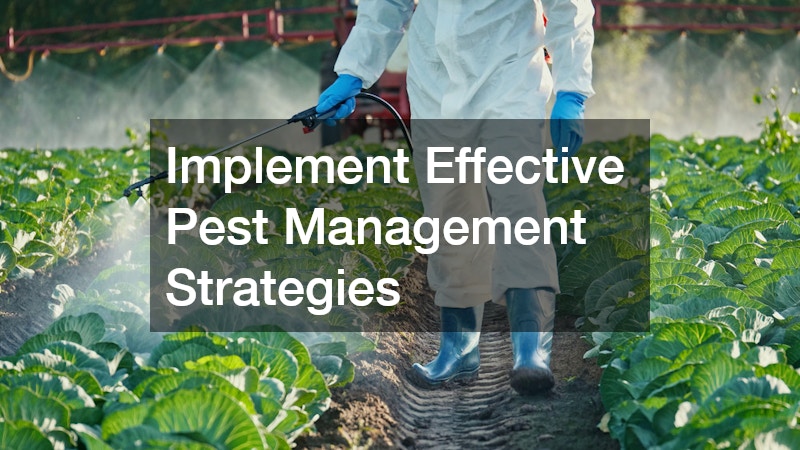
Pests like rodents, insects, and termites pose significant health and safety risks. They can spread disease, damage property, and trigger allergic reactions.
Effective pest control strategies include:
- Routine inspections: Identify entry points, nesting areas, and signs of infestation early.
- Professional treatments: Work with local pest control experts for safe, eco-friendly solutions.
- Preventive maintenance: Seal cracks, maintain clean kitchens, and remove standing water to reduce attractants.
- Integrated scheduling: Coordinate pest control with other home maintenance tasks to prevent interference with ongoing repairs.
Homeowners should also monitor outdoor conditions, as vegetation close to the house can attract pests. Maintaining proper drainage, storing firewood away from the foundation, and inspecting attic spaces are essential preventive steps. Even minor infestations can escalate quickly if ignored, so early detection and professional intervention are key. A well-executed pest management plan protects both health and the structural integrity of the home, ensuring that residents enjoy a safe, sanitary, and comfortable environment year-round.
Fire Prevention and Emergency Preparedness
Fire hazards are a critical safety concern that can cause severe property damage and endanger lives. Preventing fires requires both awareness and proactive action.
Key steps include:
- Identify hazards: Inspect wiring, heating systems, and flammable materials for potential risks.
- Install safety devices: Properly maintain smoke detectors, carbon monoxide detectors, and fire extinguishers.
- Develop emergency plans: Create and practice evacuation routes and procedures for all household members.
- Professional remediation: Fire remediation services may be necessary after smoke or fire damage to ensure structural safety and prevent lingering hazards.
Additionally, homeowners should regularly check cords, appliances, and electrical outlets to prevent overloads and ensure that all flammable items are stored safely. Seasonal maintenance, such as cleaning chimneys or inspecting furnaces before winter, further reduces risk. Practicing fire drills with family members and labeling exits ensures preparedness. By integrating routine checks, professional support, and family training, homes become safer environments, minimizing both physical danger and emotional stress associated with fire hazards.
Maintain Outdoor Safety and Property Boundaries
Outdoor areas can pose safety hazards if not properly maintained. Fences provide security, define property boundaries, and help prevent accidents, especially for children and pets.
Key steps include:
- Regular inspections: Check fences for loose posts, rusted components, or broken panels.
- Professional installation: Hiring a local fence company ensures durable and safe construction.
- Material choice: Select long-lasting, weather-resistant materials such as treated wood, vinyl, or aluminum for strength and low maintenance.
- Integration with landscaping: Maintain vegetation around fences to prevent damage and maintain visibility.
Maintaining outdoor structures also includes ensuring gates and locks function properly to prevent unauthorized entry. Properly installed fences reduce liability risks and discourage wildlife from entering yards. Regular upkeep prevents deterioration from weather exposure, moisture, or pests. Coordinating fence maintenance with other exterior projects, such as landscaping or drainage work, ensures efficiency while protecting property investments and enhancing overall safety.
Keep Sewer and Drainage Systems Functional
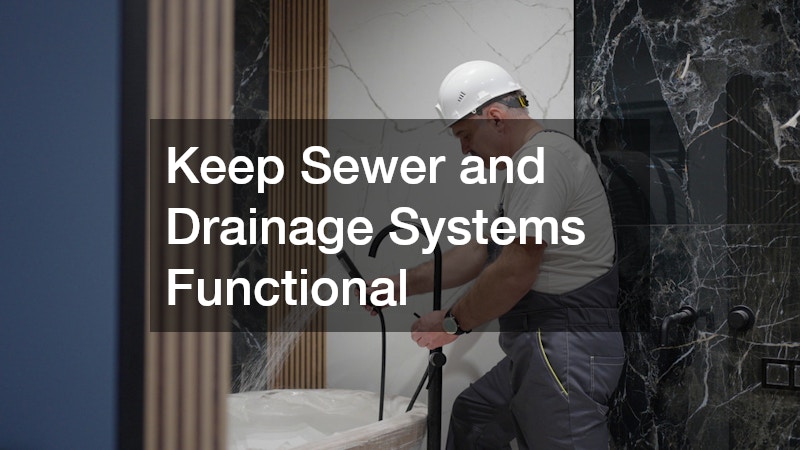
Sewer and drainage systems are essential to prevent flooding, contamination, and structural damage. Regular maintenance keeps them functioning safely.
Actionable steps include:
- Regular inspections: Look for slow drains, foul odors, or unusual wet spots in yards or basements.
- Preventive maintenance: Schedule plumbing services to keep pipes, drains, and sewer lines in top condition.
- Sewer line replacement: Address worn or damaged sewer lines promptly to prevent backups and structural issues.
- Coordinate with other maintenance: Align sewer inspections with landscaping or exterior projects to reduce disruption.
Preventive care also includes monitoring for root intrusion, sediment buildup, or pipe corrosion. Homeowners can extend the lifespan of sewer systems by avoiding the disposal of grease, harsh chemicals, or large debris down drains. Maintaining clean, functional drains not only protects structural integrity but also safeguards residents from exposure to contaminated water and potential health hazards, ensuring the home remains safe and sanitary.
Coordinate Maintenance Projects for Maximum Efficiency
Managing multiple repairs simultaneously requires organization to prevent conflicts and wasted effort.
Tips for effective coordination include:
- Create a comprehensive schedule: Combine plumbing, HVAC, roofing, and exterior repairs in a logical sequence.
- Communicate with contractors: Ensure all parties are aware of timelines and project priorities.
- Avoid overlap: Schedule disruptive projects like sewer work or fence installation to prevent damage to completed upgrades.
- Prioritize high-risk systems: Focus on areas that impact health and safety first, such as mold-prone areas, water systems, and fire hazards.
Additional coordination strategies involve batching inspections and preventative services to minimize downtime and reduce costs. Keeping detailed project notes helps track progress and anticipate future maintenance needs. This proactive, organized approach allows homeowners to address multiple hazards efficiently while avoiding redundant work or missed critical tasks.
Budget Strategically for Health and Safety Upgrades
Strategic budgeting ensures homeowners can complete essential repairs while planning for long-term improvements.
Guidelines include:
- Categorize repairs: Identify urgent issues, preventive maintenance, and optional upgrades.
- Allocate funds: Prioritize spending on systems that directly impact safety, such as plumbing, mold remediation, and fire protection.
- Set aside contingencies: Unexpected issues may arise during inspections or repairs.
- Phase projects: Spread upgrades over time to balance cost and minimize disruption.
Homeowners should track spending to evaluate cost-effectiveness and consider investing in professional inspections to prevent major failures. Allocating a small portion of the budget for routine preventative services reduces the risk of costly emergencies. Long-term planning ensures the property remains both safe and functional without overwhelming finances, making maintenance a manageable, ongoing process rather than a reactive scramble.
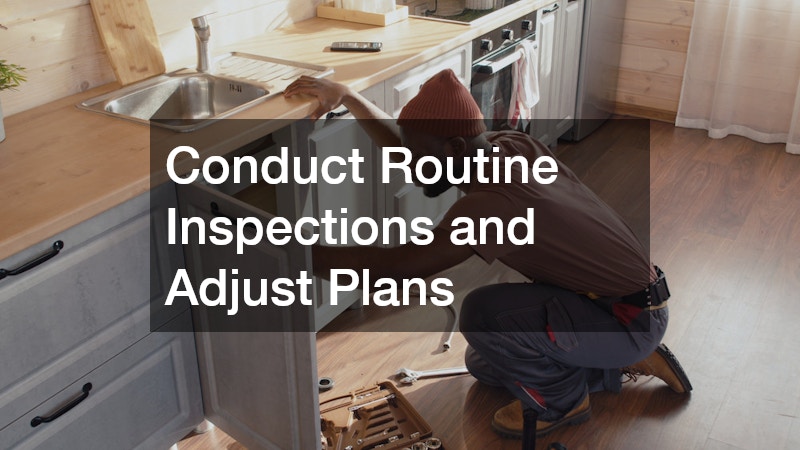
Conduct Routine Inspections and Adjust Plans
Ongoing inspections are critical for identifying emerging issues before they escalate.
Best practices include:
- Inspection schedules: Monthly, quarterly, and annual checks of plumbing, water heaters, fences, and mold-prone areas.
- Recordkeeping: Maintain detailed notes on repairs, inspections, and upgrades for future reference.
- Adjust plans as needed: Update maintenance schedules based on wear, seasonal changes, or professional recommendations.
- Professional consultations: Engage licensed experts for specialized systems like sewer lines, fire remediation, or mold removal.
Routine inspections allow homeowners to track patterns of wear and address minor issues before they become hazardous. Adjusting plans based on seasonal changes, aging components, or environmental conditions ensures that preventive measures remain effective year-round. Detailed records provide continuity when contractors or inspectors are involved, improving both efficiency and outcomes.
Preventing health and safety hazards through proper home maintenance requires foresight, organization, and consistent attention. By systematically inspecting the property, addressing plumbing, water heaters, mold, pests, fire risks, sewer systems, and fencing, homeowners can protect both their family and their investment.
Proactive maintenance reduces emergencies, lowers repair costs, and preserves the functionality and safety of critical systems. Engaging professional services such as a local mold removal company, water heater installer, plumbing specialist, and fence contractor ensures that repairs are done correctly and safely. Regular maintenance also helps identify minor issues before they become costly or dangerous, creating a predictable, manageable upkeep routine.
With careful planning, coordination, and ongoing inspections, homeowners can maintain a durable, healthy, and safe environment. Each preventive step not only protects the structure and systems of the home but also enhances comfort, security, and long-term value. Additionally, a proactive approach can improve energy efficiency, reduce utility costs, and prevent damage to personal belongings, ensuring both immediate safety and long-term savings. By taking a structured, proactive approach, a well-maintained home becomes a resilient and safe haven for years to come, providing peace of mind and stability for all residents.