
Maintaining a stable and comfortable indoor temperature throughout the seasons is one of the primary goals for any homeowner. Beyond personal comfort, effective thermal regulation plays a central role in minimizing energy consumption and keeping monthly utility bills under control. When a house struggles to hold heat during the winter or fails to stay cool in the summer, the culprit is often a combination of structural vulnerabilities, outdated heating and cooling systems, and improper airflow management. Addressing these underlying issues requires a methodical approach that evaluates every layer of the property, from the attic down to the basement foundation.
Achieving superior indoor climate control is not about relying solely on heavy heating or air conditioning. True efficiency comes from creating a well-insulated, properly sealed environment that works in harmony with modern environmental controls. By understanding how heat moves through spaces and identifying common areas of thermal loss, property owners can make strategic upgrades that pay dividends in both performance and structural durability. Partnering with a reliable local roofing company can also help ensure the primary thermal barrier above your head remains completely secure. This guide explores essential steps to transform your living space into an energy-efficient sanctuary that preserves interior temperature regardless of extreme weather conditions outside.
Fortifying the Overhead Protective Structure
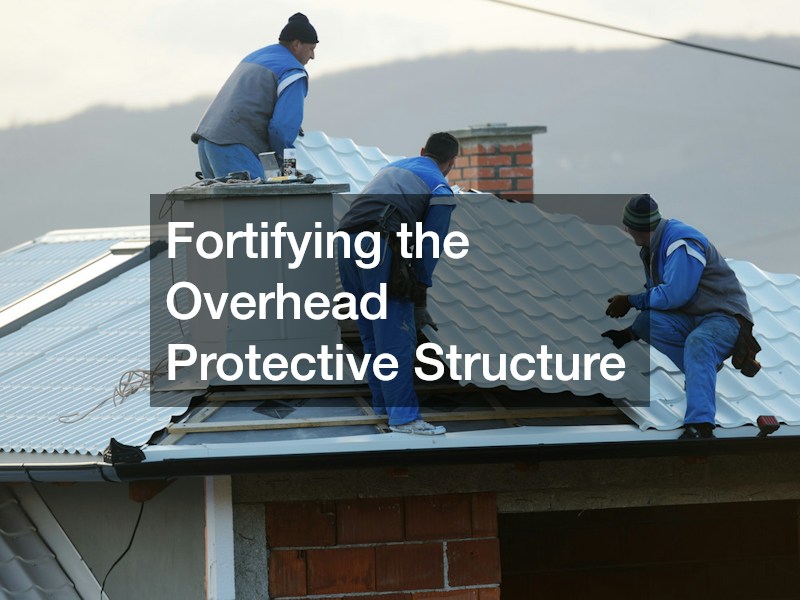
The top layer of any residential building serves as the first line of defense against ambient thermal transfers. Warm air naturally ascends, meaning a significant percentage of winter heat escapes directly through the upper boundaries of a structure if they are compromised or under-insulated. Conversely, during scorching summer months, solar radiation beats down on the upper exterior, transferring intense heat downward into upper-level living areas. Maintaining structural integrity and optimal insulation in this vital zone is essential for balanced environmental control.
- High winds and severe weather can lift or fracture shingles, exposing underlying underlayment to air leakage.
- Thermal imaging tools can quickly pinpoint hidden structural heat loss along upper ceiling planes.
- Proper attic ventilation prevents destructive ice dams from forming along eavestroughs during winter freezes.
Inspecting for Weather-Induced Degradation
Severe storms and high winds can weaken exterior materials, causing invisible gaps where ambient conditions penetrate the home envelope. When wind-blown debris or severe weather strikes, invisible fractures or loosened materials often allow air leakage and moisture infiltration. Promptly addressing storm damage preserves the structural barrier that prevents conditioned air from leaking into the outside atmosphere.
- Saturated insulation loses its air-trapping pockets, causing R-values to drop precipitously.
- Structural timber framing subjected to chronic wetness rapidly loses structural integrity over time.
- Porous building materials can hold moisture silently, feeding unseen interior biological growth.
Managing Moisture and Structural Material Degradation
Water intrusion degrades insulation performance instantly, drastically lowering its ability to resist heat transfer. Unchecked water leaks deteriorate ceiling joists and wall structures while creating an environment ripe for mold growth. Comprehensive water damage restoration restores compromised insulation materials and structural barriers to ensure your thermal layer remains completely intact and functional.
- Local specialists possess precise knowledge regarding regional snow loads and summer heat extremes.
- Familiarity with neighborhood building styles enables faster identification of recurring structural vulnerabilities.
- Selecting local contractors guarantees compliance with municipal building codes and energy guidelines.
Selecting Specialized Local Roofing Professionals
Working with experienced local residential roofers ensures your roof structure is evaluated for climate-specific thermal challenges and local building codes. These neighborhood experts understand how local humidity, snowfall, and temperature fluctuations affect material longevity. They can identify subtle signs of wear that allow unwanted thermal transfer and offer tailored guidance on energy-efficient replacements.
- Replacing cracked flashing around chimneys locks out subtle yet persistent air drafts.
- Re-securing loose hip and ridge caps prevents high-speed wind currents from penetrating the roof deck.
- Immediate spot repairs eliminate small thermal bridges before they expand into widespread interior damage.
Implementing Timely Repairs to Prevent Thermal Loss
Even minor leaks or missing shingles can compromise the overall insulation value of an entire attic space. Scheduling routine roof repairs prevents minor exterior defects from escalating into massive thermal leaks that drain your household budget. Sealing cracks, repairing flashing, and replacing broken shingles maintains a tight seal that supports steady internal temperatures.
- Radiant barriers reflect up to ninety-seven percent of solar thermal radiation away from living spaces.
- Integrated ridge and soffit vents create continuous airflow channels that flush out trapped hot air.
- Upgraded underlayment materials add an extra layer of thermal and moisture resistance across roof decks.
Securing Qualified Exterior Building Specialists
Upgrading or retrofitting an aging roof requires precision craftsmanship to ensure seamless integration with existing ventilation systems. Reputable roofing contractors carry the expertise required to install modern reflective materials, radiant barriers, and proper intake and exhaust vents. Their strategic upgrades optimize attic airflow, keeping roof temperatures balanced and preventing heat buildup.
- Single-ply membranes like TPO and EPDM offer high solar reflectance to lower surface temperatures.
- Rigid foam insulation boards installed directly beneath flat membranes eliminate primary thermal bridges.
- Proper slope-to-drain designs eliminate standing water pools that degrade reflective exterior coatings.
Adapting Approaches for Modern Architectural Styles
Low-slope or flat structural surfaces present unique insulation and drainage challenges compared to traditional pitched designs. Partnering with a specialized flat roofing company ensures the application of membrane systems designed specifically to reflect solar radiation and hold internal warmth. Specialized coatings and rigid insulation boards applied to these surfaces drastically reduce interior climate fluctuations.
Upgrading Heating and Cooling Equipment Performance
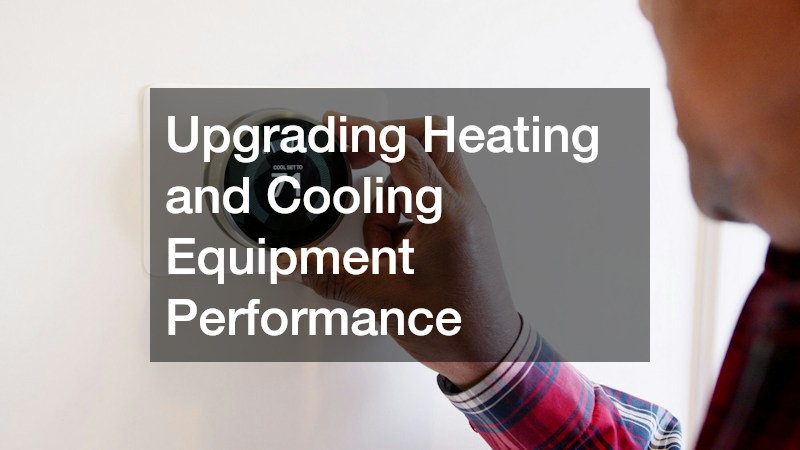
Even the most impeccably insulated envelope will struggle to maintain comfortable conditions without a functional, responsive climate control system. Mechanical equipment works continuously to balance humidity levels, regulate air temperature, and circulate conditioned air through living spaces. When these systems run inefficiently, they generate uneven temperatures and cause unnecessary wear on internal components. Regular maintenance and timely mechanical interventions are imperative for stable climate control.
- Faulty ignition systems or dirty burners cause appliances to burn fuel inefficiently, raising operating costs.
- Dirty air filters restrict return airflow, forcing circulation blowers to work harder and overheat.
- Annual mechanical tune-ups verify heat exchanger safety while maximizing overall fuel conversion efficiency.
Restoring Heating System Operational Precision
Winter warmth depends entirely on the reliable performance of your primary central heating unit. Mechanical components like burners, ignition systems, and blower motors can degrade over time, leading to uneven heating and longer running cycles. Professional furnace repair ensures that your heating plant operates at maximum thermal output while using the absolute minimum amount of fuel or electricity.
- Low refrigerant levels indicate system leaks that severely reduce heat absorption capability.
- Dirty outdoor condenser coils fail to reject heat effectively, forcing compressors to run constantly.
- Clearing clogged condensate lines prevents humidity spikes and protects mechanical electronics from shorting out.
Refreshing Cooling Loop Components
Summertime heatwaves put immense mechanical stress on central cooling units, exposing any weaknesses in refrigerant levels or electrical relays. When cooling systems malfunction, humidity spikes alongside internal temperatures, making indoor spaces uncomfortable. Timely ac repairs resolve baseline mechanical issues, restore optimal heat-exchange capabilities, and keep interior humidity precisely controlled.
- Diagnostic duct testing exposes dynamic air loss occurring within unconditioned attics and basements.
- Manual J load calculations guarantee replacement systems are matched precisely to property dimensions.
- Static pressure readings identify internal airflow bottlenecks that starve living spaces of conditioned air.
Partnering with Certified Environmental System Experts
Determining whether your climate system is correctly sized and balanced requires specialized diagnostic tools and expertise. Engaging a qualified HVAC contractor provides you with access to complete system evaluations, including air balancing, duct leakage testing, and load calculations. These specialized mechanics help design comprehensive airflow strategies that eliminate hot or cold spots across different zones of your home.
Enhancing Thermal Envelope and Air Sealing Mechanisms
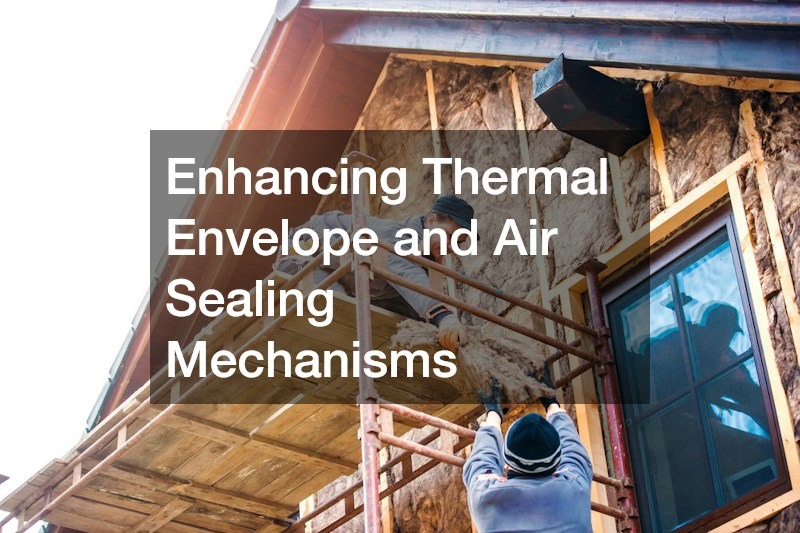
While the roof and mechanical systems form the backbone of temperature regulation, the secondary envelope—comprising walls, windows, doors, and foundation junctions—plays an equally active role in thermal performance. Drafts, micro-gaps, and inadequate wall insulation create continuous paths for heat exchange, forcing your heating and cooling equipment to run far longer than necessary. Systematically identifying and sealing these vulnerable areas significantly reduces operational strain.
- Expanding foam sealant fills oversized gaps around exterior plumbing penetrations and outdoor spigots.
- Door sweeps create tight mechanical seals along bottom thresholds to stop cold floor drafts.
- Caulking along interior baseboards prevents basement air from migrating into main-floor living areas.
Sealing Gaps Around Windows and Exterior Entryways
Microscopic cracks surrounding window frames and exterior doors account for a large portion of daily air exchange. Applying fresh silicone caulk around exterior frames and replacing worn weatherstripping along door thresholds blocks unwanted air currents. This simple DIY intervention prevents immediate draftiness and ensures that conditioned air remains trapped securely inside living zones.
- Gas fills such as argon or krypton slow down thermal transfer between individual glass layers.
- Low-emissivity glass coatings reflect infrared energy away during summer while keeping interior heat inside during winter.
- Thermally broken window frames stop aluminum or vinyl materials from conducting cold air directly into rooms.
Upgrading to Energy-Efficient Glass Panes
Single-pane glass provides minimal resistance against exterior temperature extremes, acting as a direct conductor for thermal loss. Upgrading to double- or triple-pane windows featuring low-emissivity coatings drastically reduces solar heat gain in summer and holds warm air inside during winter. The inert gas fills sealed between these panes create an additional insulating barrier that dampens outside noise as well as heat transfer.
- Dense-pack cellulose retrofits into existing wall cavities without requiring destructive interior drywall removal.
- Rigid foam boards applied to basement walls keep foundation concrete from chilling interior air.
- Insulating rim joists with spray foam halts one of the largest sources of air infiltration in multi-story houses.
Augmenting Exterior Wall and Basement Insulation
Uninsulated exterior cavity walls allow continuous radiant heat transfer, rendering nearby rooms uncomfortable. Blown-in dense-pack cellulose or spray foam insulation can be retrofitted into existing wall cavities without requiring major demolition. Similarly, insulating basement walls and crawlspaces stops cold air from radiating upward through main-floor flooring materials.
- Cellular shades create dead-air pockets that act as thermal cushions against cold window glass.
- Layering heavy drapes over shades provides double protection against nighttime window drafts.
- Opening south-facing window coverings during winter sunlight hours provides free passive solar heating.
Installing Thermal Curtains and Window Treatments
Interior window coverings provide an adjustable secondary layer of insulation against exterior temperature swings. Heavy thermal drapes or cellular honeycomb shades trap a pocket of air directly against the window glass, reducing radiant heat exchange. Closing these window treatments during peak summer sunlight hours or freezing winter nights provides immediate relief to your climate system.
Optimizing Air Circulation and Ventilation Networks
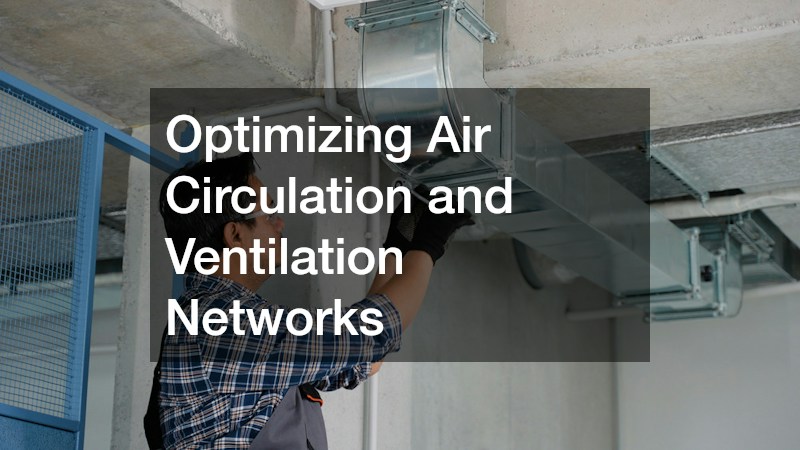
Proper temperature regulation requires thoughtful movement of air throughout the entire structure. Air that sits stagnant creates thermal stratification, where warm air collects near ceilings while cold air pools near the floor. Balancing airflow across every room guarantees uniform comfort levels and prevents your thermostat from reading inaccurate representative temperatures.
- Downward air push during summer creates a cooling breeze that allows higher thermostat settings.
- Low-speed winter rotation destratifies warm air layers without causing chilling drafts below.
- Matching fan sizing to room square footage prevents inefficient air turbulence and motor noise.
Reversing Ceiling Fan Rotations for Seasonal Adjustments
Ceiling fans are highly effective tools for managing internal temperature distribution when used correctly across seasons. During summer months, running fan blades counterclockwise at medium to high speeds creates a wind-chill effect that cools skin directly. In winter, reversing the direction to clockwise at low speed gently pushes trapped ceiling heat down along the walls without creating a noticeable draft.
- Mastic sealant forms permanent, airtight seals over sheet metal duct seams and connection joints.
- Insulating exposed ductwork running through cold attics prevents thermal losses before air reaches vents.
- Professional duct cleaning removes heavy dust buildups that restrict total volumetric airflow.
Cleaning and Balancing Ductwork Systems
Dust accumulation, loose duct joints, and crushed flexible ducts severely restrict airflow from your central equipment. Sealing duct joints with mastic tape prevents conditioned air from leaking into unconditioned attics or crawlspaces before reaching living areas. Periodically balancing duct dampers ensures that distant bedrooms receive adequate airflow relative to rooms located closer to the central air handler.
- Remote temperature sensors eliminate heating biases caused by placing thermostats in unusually warm hallways.
- Automated setback schedules reduce heating energy use when household members are sleeping or away at work.
- Energy usage tracking applications help homeowners spot abnormal consumption spikes early.
Utilizing Programmable Smart Thermostats
Manual thermostats often lead to inefficient heating and cooling cycles due to delayed adjustments. Modern smart thermostats automatically learn your daily schedules and adjust temperatures when the house is unoccupied, reducing unnecessary operational hours. Advanced models feature remote room sensors that calculate average temperatures across multiple zones, preventing specific rooms from overheating or overcooling.
- Keeping zero clearance around floor registers guarantees unimpeded air delivery into living zones.
- Cleaning return grilles regularly stops dust webs from choking main airflow intakes.
- Balancing register louvers helps redirect excess airflow toward under-served rooms.
Maintaining Unobstructed Supply and Return Vents
Placing heavy furniture, rugs, or drapes over supply or return registers chokes system airflow and creates pressure imbalances across the property. Ensuring that all air grilles remain clean and unobstructed allows your climate equipment to circulate the exact volumetric airflow it was designed to handle. This simple spatial layout fix improves overall system efficiency and eliminates stubborn room-by-room temperature variances.
Integrating Passive Solar Design and Landscaping
Beyond mechanical fixes and building envelope repairs, exterior elements around your property can be leveraged to naturally balance interior temperatures. Strategic landscaping and passive solar management harness natural forces to assist your thermal control efforts, creating an eco-friendly barrier against heat and cold.
- Deciduous trees planted on southern and western exposures block harsh summer sun while allowing winter light through.
- Evergreen windbreaks planted along northern boundaries block freezing winter gusts from stripping heat away.
- Shading exterior air conditioning condensers with shrubbery improves cooling efficiency without blocking airflow.
Utilizing Strategic Tree Planting for Natural Shading
Planting deciduous trees on the southern and western sides of your property creates natural summer umbrellas. During hot months, full foliage shades roofs, walls, and windows, lowering exterior surface temperatures considerably. In autumn, these trees drop their leaves, permitting low-angled winter sun rays to pass through and naturally warm interior living spaces.
- Awning installations over south-facing windows deflect summer midday sunlight before it hits glass surfaces.
- Light-colored exterior paints and roof materials reflect solar radiation back into the atmosphere.
- Pergolas equipped with climbing vines add living insulation barriers along sun-drenched exterior walls.
Employing Exterior Shading and Reflective Surfaces
Architectural additions such as window awnings, trellises, and extended roof overhangs block direct sunlight before it enters window glass. Reflective exterior wall finishes and lighter roof surface materials further decrease heat absorption during intense summer months, lowering the overall heat load on your cooling systems.
Long-Term Strategies for Sustainable Indoor Comfort
Creating a home that inherently regulates temperature requires looking at long-term maintenance habits alongside major structural upgrades. Protecting your home from weather extremes, optimizing its mechanical efficiency, and maintaining its protective envelope are continuous processes that safeguard both occupant comfort and overall property value.
- Seasonal insulation and air-seal checks identify new micro-gaps before winter weather sets in.
- Regular monitoring of utility statements helps detect gradual loss of system efficiency early.
- Coordinating roof, insulation, and mechanical upgrades optimizes total thermal performance investment.
By viewing thermal management as an integrated system—where the exterior shell, mechanical equipment, and interior airflow strategies work together—homeowners can achieve remarkable improvements in energy consumption. Taking targeted action on structural vulnerabilities, keeping up with routine mechanical maintenance, and adopting smart daily climate habits ensures your indoor spaces remain cozy, efficient, and welcoming throughout every season of the year.